
Best overall: Trauma and Recovery by Judith Herman. Best for meaning after suffering: Man’s Search for Meaning by Viktor Frankl. Best for Buddhist reflection: When Things Fall Apart by Pema Chödrön. This 2026 guide to spiritual awakening after trauma books helps readers of Michaela Haas distinguish trauma recovery, spiritual practice, and the search for meaning.
- For Michaela Haas readers seeking spiritual awakening after trauma books, Trauma and Recovery is the strongest starting point.
- Man’s Search for Meaning explores purpose; it does not provide a trauma-treatment program.
- When Things Fall Apart offers Buddhist reflection, not a requirement to find spiritual benefits in suffering.
- Choose books that respect safety, personal boundaries, and the freedom not to describe trauma as awakening.
Why this matters
A spiritual interpretation of trauma is not the same as trauma recovery. A reader can find meaning, question inherited beliefs, or deepen a religious practice while still needing practical support and professional care. Nobody owes suffering a positive ending.
The work of journalist and author Michaela Haas includes reporting on health, resilience, and social issues. For that readership, spiritual awakening after trauma books deserve a clear distinction between reported experience, psychological explanation, and spiritual teaching.
This 2026 selection separates those purposes rather than treating every hopeful book as interchangeable. The best starting point is the book that addresses the reader’s present need—not the book that promises the biggest transformation.
What makes the best books in this category
These 5 criteria determine the recommendations:
- Safety before interpretation: Recovery should not depend on accepting a spiritual explanation for what happened.
- Clear purpose: A clinical account, survivor memoir, and meditation book answer different questions.
- Respect for choice: Useful reading leaves room for anger, uncertainty, religious doubt, and no spiritual awakening at all.
- Named foundations: The author’s clinical framework, lived experience, or teaching tradition should be identifiable.
- Honest limits: A book should be assessed for what it offers, not mistaken for individualized treatment.
The ranking gives trauma-specific guidance priority over spiritual language. That is why a clinical book leads this list, even though several later selections address spirituality more directly.
The 2026 shortlist at a glance
These 6 books occupy distinct reading slots. The order reflects where to start when safety and clarity matter more than a promise of transcendence.
| Book | Best for | Standout feature | Key limitation |
|---|---|---|---|
| Trauma and Recovery — Judith Herman | Establishing a recovery framework | Connects trauma with safety, relationships, and social context | Not a spiritual-practice guide |
| Man’s Search for Meaning — Viktor Frankl | Examining purpose after suffering | Combines Holocaust testimony with an account of logotherapy | Not a practical trauma-recovery workbook |
| When Things Fall Apart — Pema Chödrön | Buddhist reflection during uncertainty | Applies Buddhist teaching to fear and groundlessness | Does not offer clinical trauma assessment |
| Waking the Tiger — Peter A. Levine with Ann Frederick | Understanding a body-oriented perspective | Explains Levine’s somatic approach to trauma | Its framework should not be treated as individualized care |
| Radical Acceptance — Tara Brach | Exploring shame and self-judgment | Connects Buddhist practice with compassionate awareness | Acceptance needs careful distinction from tolerating harm |
| The Choice — Edith Eger | Reading a survivor’s account of rebuilding life | Combines memoir with Eger’s perspective as a psychologist | One person’s experience cannot prescribe another’s recovery |
1. Trauma and Recovery: best for establishing a recovery framework
Judith Herman’s Trauma and Recovery examines psychological trauma alongside its interpersonal and social contexts. It describes recovery through 3 broad stages: establishing safety, remembrance and mourning, and reconnection with ordinary life.
That framework makes the book the strongest starting point here. It puts conditions for recovery ahead of the question of whether suffering has spiritual meaning. Readers looking for an awakening narrative instead encounter a serious account of what trauma disrupts and what rebuilding involves.
Trauma and Recovery pros:
- Gives safety a central place rather than beginning with transcendence.
- Connects individual distress with relationships and wider social conditions.
- Provides a framework for distinguishing recovery needs from spiritual questions.
Trauma and Recovery cons:
- Discusses violence and abuse, making parts difficult reading.
- Does not teach meditation or offer a spiritual path.
Best for: Readers who want a trauma-specific foundation before exploring meaning or religious practice.
Verdict: Buy for the recovery framework; choose another selection for spiritual instruction. Herman’s stages are a conceptual guide, not a timetable readers must satisfy. The book’s value lies in making safety and connection visible, not in establishing a deadline for growth.
2. Man’s Search for Meaning: best for examining purpose after suffering
Viktor Frankl’s Man’s Search for Meaning combines his account of surviving Nazi concentration camps with an explanation of logotherapy. Its central subject is meaning, rather than spiritual awakening or a step-by-step recovery process.
Frankl describes finding meaning through creative work, encounters and love, and one’s attitude toward unavoidable suffering. The word unavoidable matters: this is not an argument for remaining in preventable danger or treating suffering as inherently desirable.
Man’s Search for Meaning pros:
- Gives the discussion of meaning a named philosophical and therapeutic foundation.
- Connects reflection with the author’s testimony rather than generic encouragement.
- Offers a reading path for people whose questions concern purpose rather than doctrine.
Man’s Search for Meaning cons:
- Contains accounts of persecution, deprivation, and death.
- Can be misread as a demand to find meaning before someone is ready.
Best for: Readers asking what can make life meaningful after profound disruption.
Verdict: Buy for reflection on purpose; skip it as a substitute for trauma treatment. Frankl’s account deserves to be read on its own terms. Comparing another person’s suffering with his experiences does not establish how that person should feel, cope, or recover.
3. When Things Fall Apart: best for Buddhist reflection during uncertainty
Pema Chödrön’s When Things Fall Apart offers Buddhist teaching about fear, uncertainty, and the impulse to escape uncomfortable experience. It addresses how a person relates to difficulty rather than explaining trauma through a clinical framework.
This is the most direct choice for readers who want Buddhist reflection on a disrupted life. Its approach asks readers to examine their relationship with uncertainty; it does not establish that trauma causes enlightenment or that spiritual practice removes the need for care.
When Things Fall Apart pros:
- Presents a recognizable Buddhist perspective rather than an undefined promise of awakening.
- Addresses uncertainty without requiring a neat resolution.
- Offers material for reflection beyond a single survivor’s story.
When Things Fall Apart cons:
- Does not provide a clinical explanation of trauma symptoms.
- Teachings about staying with discomfort need clear boundaries when applied to trauma.
Best for: Readers already interested in Buddhism who want a spiritual companion to other support.
Verdict: Buy for Buddhist reflection; hold if advice about facing discomfort feels like pressure. There is a difference between exploring an uncomfortable feeling and remaining in an unsafe situation. The book should not be used to blur that distinction.
4. Waking the Tiger: best for understanding a body-oriented perspective
Peter A. Levine’s Waking the Tiger, written with Ann Frederick, explains his body-oriented understanding of trauma. It emphasizes physiological responses and introduces the perspective associated with Somatic Experiencing.
This selection belongs on the list because not every experience described as spiritual awakening is best approached through spiritual language. Readers interested in bodily sensations and threat responses can examine a different explanatory framework without being asked to adopt a religious interpretation.
Waking the Tiger pros:
- Makes bodily experience central to its account of trauma.
- Offers a clear contrast with the meaning-focused and Buddhist selections.
- Introduces the reasoning behind Levine’s somatic approach.
Waking the Tiger cons:
- Presents a particular framework, not a complete account of every trauma response.
- Reading about bodily processes does not establish which intervention suits an individual.
Best for: Readers seeking an introduction to a body-oriented view of trauma rather than a spiritual explanation.
Verdict: Buy to understand the perspective; hold on treating its exercises as personalized care. A book cannot assess a reader’s symptoms, circumstances, or readiness. Bodily experiences deserve appropriate assessment rather than an automatic label of awakening.
5. Radical Acceptance: best for exploring shame and self-judgment
Tara Brach’s Radical Acceptance brings Buddhist teaching and psychological reflection to feelings of unworthiness. Its emphasis is compassionate awareness of present experience, not a trauma-specific recovery protocol.
The book is a useful choice when the central reading question concerns shame or harsh self-judgment. Its language of acceptance requires precision: acknowledging an internal experience is different from approving abuse, excusing another person, or abandoning boundaries.
Radical Acceptance pros:
- Addresses self-judgment directly rather than assuming confidence comes first.
- Connects Buddhist ideas with practical reflection.
- Provides a distinct alternative to survivor memoirs and clinical explanations.
Radical Acceptance cons:
- Is not organized as a trauma-treatment manual.
- Acceptance language can be misunderstood as a duty to forgive or endure harm.
Best for: Readers interested in Buddhist-informed reflection on shame and their relationship with themselves.
Verdict: Buy for compassionate self-reflection; skip any interpretation that turns acceptance into permission for harm. Readers do not have to approve of what happened in order to acknowledge how it affects them. Keeping that distinction explicit makes the recommendation more useful than simply calling the book healing.
6. The Choice: best for a survivor’s account of rebuilding life
Edith Eger’s The Choice combines her memoir of surviving the Holocaust with reflections informed by her work as a psychologist. It offers a personal account of life after catastrophic harm rather than a general theory of spiritual awakening.
The narrative format suits readers who want to encounter another person’s experience before reading a clinical or philosophical framework. Eger’s story supplies perspective, but it should not become a standard against which other survivors judge themselves.
The Choice pros:
- Grounds its reflections in a named survivor’s account.
- Combines personal narrative with a psychologist’s perspective.
- Offers a different reading experience from meditation instruction.
The Choice cons:
- Includes distressing material about persecution and loss.
- Cannot establish a universal route from trauma to meaning.
Best for: Readers seeking a memoir about rebuilding life rather than a practice manual.
Verdict: Buy for the survivor narrative; hold if Holocaust testimony is not suitable reading right now. Choosing another book is not avoidance by definition. Reading preferences and boundaries remain legitimate even when a story is widely admired.
How this ranking works
The recommendations match the 5 criteria above: safety, purpose, choice, named foundations, and limits. This is an editorial reading guide, not a clinical comparison of treatment outcomes.
For readers of Michaela Haas’s resilience reporting, the useful question is what kind of evidence a book supplies. Herman offers a clinical framework; Frankl and Eger include survivor testimony; Chödrön and Brach offer Buddhist teaching; Levine explains a somatic perspective. Those forms should not be treated as interchangeable proof.
No selection earns its place by promising that trauma produces spiritual growth. The 2026 ranking favors clarity about each book’s purpose.
Which book should readers choose?
Start with Trauma and Recovery when the choice is uncertain. It provides a foundation for separating recovery needs from questions about purpose or spiritual practice. Choose a more specific reading path only when that purpose is clear.
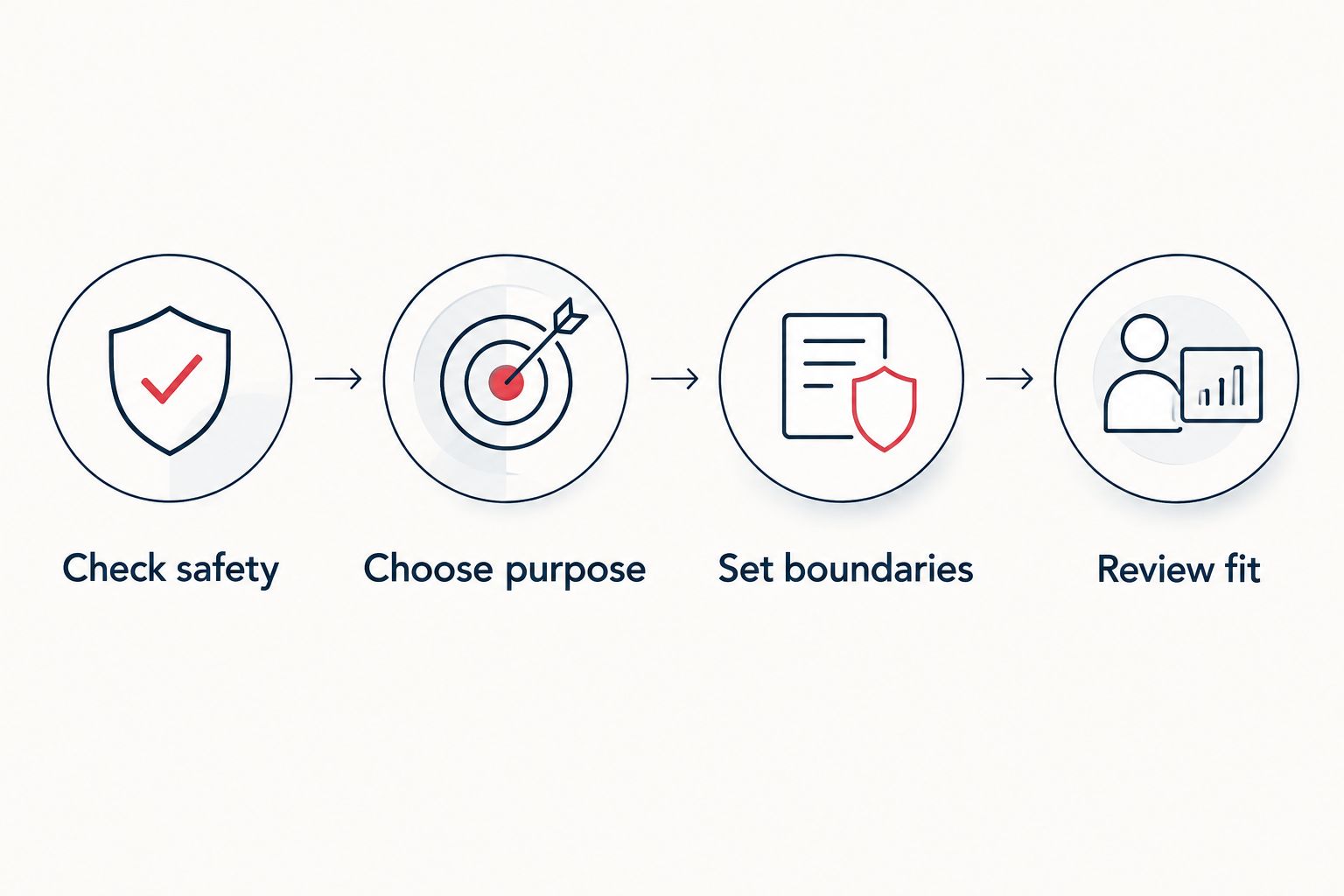
These 4 reading questions help narrow the decision:
- Check safety: Is the immediate need practical support, assessment, or relief from ongoing harm rather than another book?
- Choose purpose: Is the reader seeking a recovery framework, meaning, Buddhist teaching, or testimony?
- Set boundaries: Which subjects or practices are unsuitable reading at present?
- Review fit: Does the book clarify experience, or create pressure to feel grateful, enlightened, or recovered?
The questions form a reading sequence, not a recovery protocol. They keep the selection tied to the reader’s circumstances rather than the prestige of a title.
FAQ
What are the best spiritual awakening after trauma books in 2026?
Trauma and Recovery is the best starting point for a recovery framework, while Man’s Search for Meaning suits questions about purpose. When Things Fall Apart is the strongest fit here for readers specifically seeking Buddhist reflection.
Is spiritual awakening the same thing as trauma recovery?
No. Spiritual awakening describes a spiritual interpretation or experience, while trauma recovery concerns the effects of trauma and rebuilding life. A reader does not need a spiritual awakening to deserve support or experience recovery.
Is When Things Fall Apart better than Trauma and Recovery?
Neither book replaces the other. When Things Fall Apart offers Buddhist teaching; Trauma and Recovery provides a trauma-focused clinical framework. Choose according to the question the reader needs answered.
Can a book replace therapy after trauma?
No book provides individualized assessment or treatment. Reading can support reflection and understanding, but persistent distress, impaired daily functioning, or safety concerns deserve appropriate professional attention.
Which book is best for finding meaning without adopting a religion?
Man’s Search for Meaning is the clearest choice on this list for examining purpose without following a Buddhist practice manual. Frankl explains logotherapy alongside his account of surviving Nazi concentration camps.
Does accepting trauma mean forgiving the person responsible?
No. Acknowledging an experience or its effects does not require forgiveness, reconciliation, or approval. Radical Acceptance should not be read as an instruction to surrender boundaries.
What if reading a trauma book feels overwhelming?
Stop or set the book aside. Finishing a difficult book is not a recovery requirement; another format, another subject, or support from a qualified professional can take priority.
One last thing
A book can be valuable without becoming the reader’s explanation for everything. A memoir offers testimony; a clinical framework offers concepts; a spiritual teaching offers a practice or perspective. Keeping those roles separate protects the reader’s freedom to disagree.
For the hopeful, evidence-based readership associated with Michaela Haas, the most useful 2026 recommendation is simple: choose understanding before transformation, and never make growth a condition of receiving care.